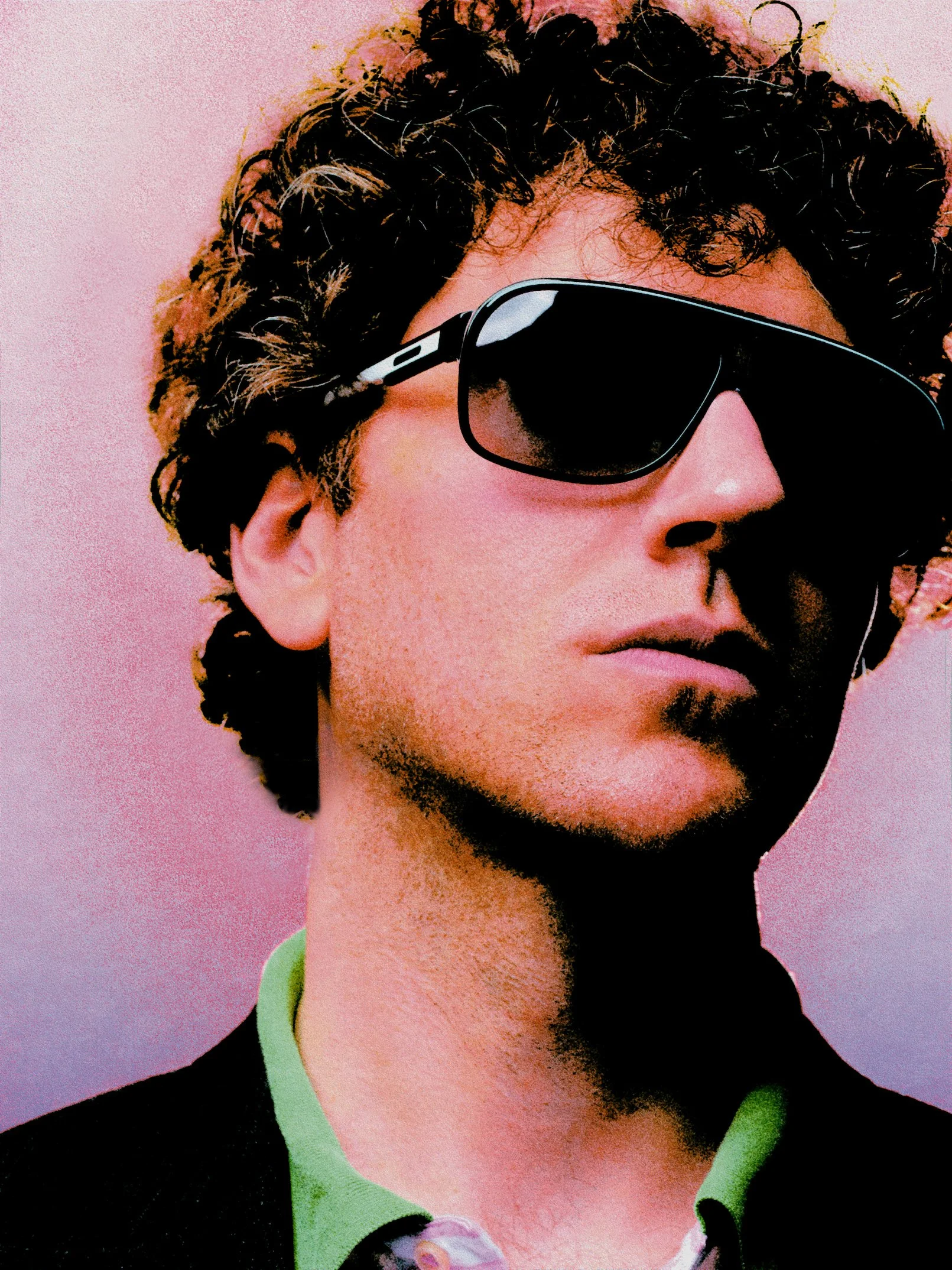
Pioneering indie electronic artist CFCF returns with the new LP L.U.V., due out now via BGM Solutions. It marks the first new album for the Montreal born producer (aka Mike Silver) since 2021’s Memoryland, and the first new release since he moved to Los Angeles in 2022. L.U.V. continues Silver’s penchant for often serene exploratory journeys through an eclectic mesh of disparate styles and genres, or as The New York Times once put it, “stunningly variegated”.
“I didn’t want to necessarily make a ‘Memoryland 2’”, shares Silver about the L.U.V., “but to me this is an organic successor to that album.” Indeed, L.U.V.’s subtitle, Life In Ultra Violet, subtly references the final track of Memoryland, “The Ultraviolet Room”, a loungy interval with a jazzy guitar and bass that evokes the uneasy nature of a waiting room. While Memoryland was built around Silver’s plumbing the depths of his affection for Y2K nostalgia and the music of his earliest formative listening years, L.U.V. sees him stepping past the impressionable nature of childhood and early adolescence to draw from the sophistication of a more refined palate. “The overall vibe of L.U.V. is meant to be sort of eurodance with a sophisticated edge,” he shares, “It’s music for an adult lifestyle.”
As such, on L.U.V. Silver takes more inspiration from the music he was digesting in later high school and the years immediately following. “In some ways, it returns to sounds I played with in my earliest music,” he shares. Touchpoints on the album include a wide swath of influences ranging from Stuart Price (Les Rythmes Digitales), Giorgio Moroder, Felix da Housecat and Kraftwerk to Electric Six, Scissor Sisters, Annie and Kylie Minogue. In contrast to the current cultural embrace of mid-late aughts aesthetics and sounds however (see the rise of neo-electroclash and the retroactive invention of Indie Sleaze as a catchall genre), Silver was conscious to avoid falling into tropes or leaning on lazy signifiers, pulling instead from his own musical history as an outlier of that era. An artist that contributed heavily to the conversation through his own original work and countless high-profile remixes, but could never be so neatly classified or defined so as to serve as a demarcation line for a specific sound or scene.